

PEM Hydrogen Generator
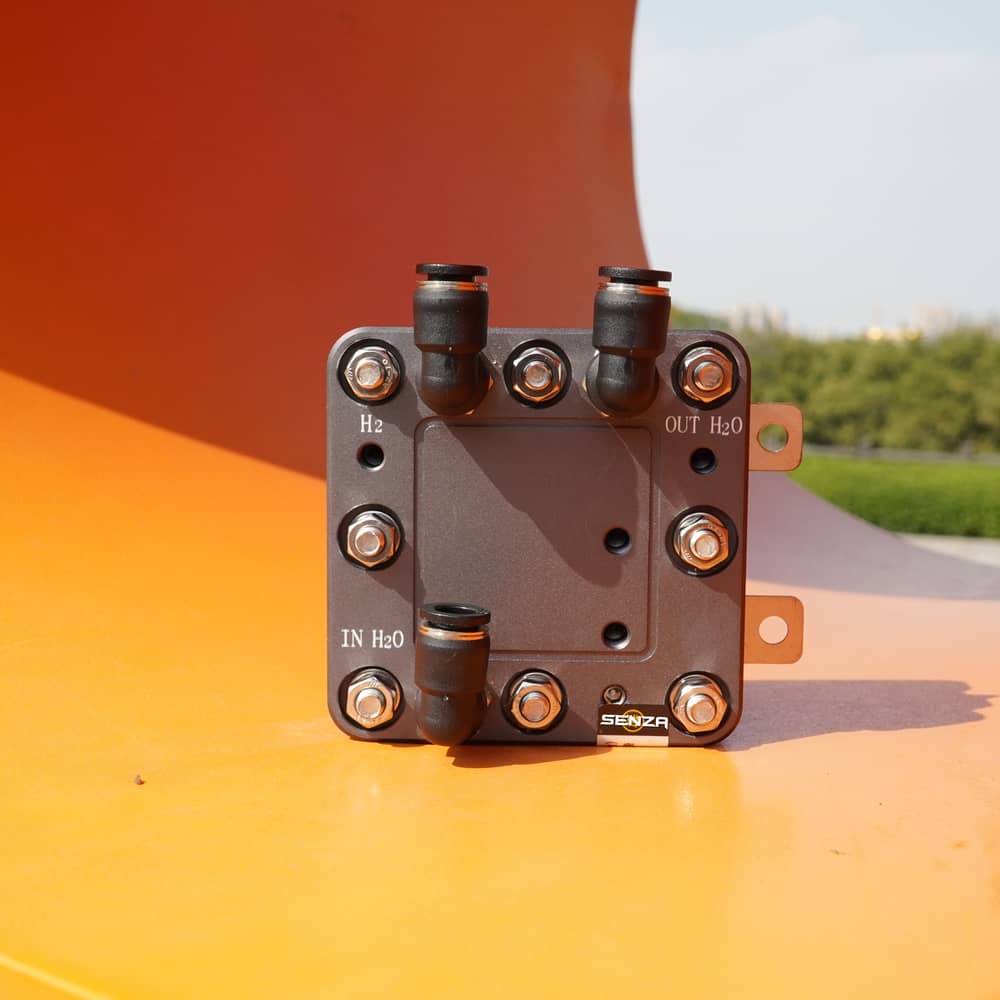
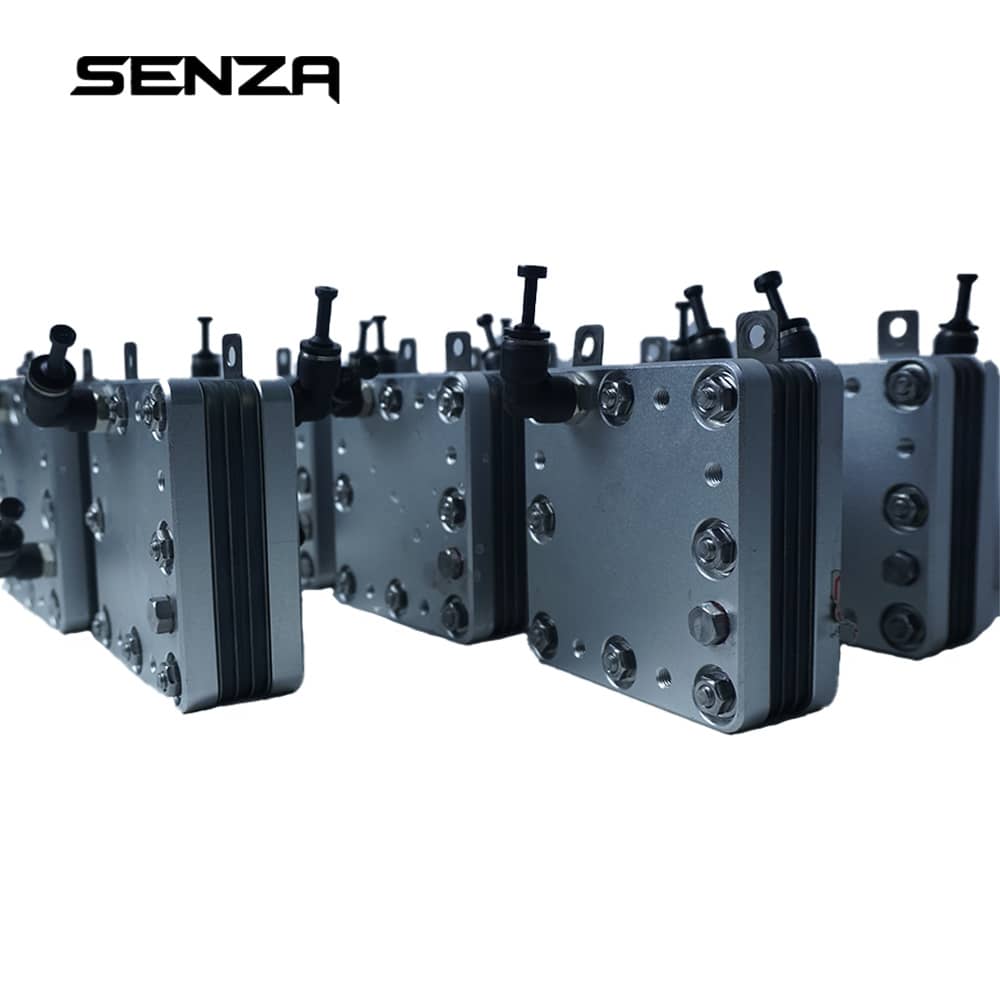
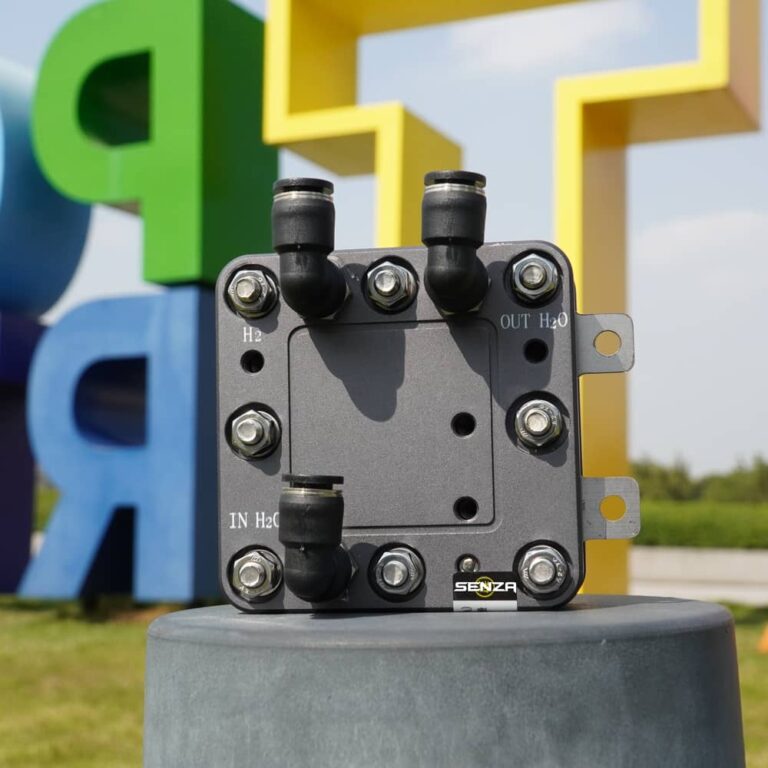
SENZA Hydrogen Generator PEM Electrolyzer
All Model
Small Size
Easy to Install
No Corrosion
High Efficiency
Just Need Pure Water
4000H/10000H Work Life
About a PEM Hydrogen Generator
Unlike alkaline water electrolysis hydrogen production, PEM water electrolysis hydrogen production uses a perfluorosulfonic acid proton exchange membrane with good chemical stability, proton conductivity and gas separation as a solid electrolyte instead of the asbestos membrane, which can effectively prevent electron transfer and improve Electrolyzer safety.The difference between PEM and alkaline electrolyzers
The main components of the PEM water electrolyzer are proton exchange membrane, cathode and anode catalyst layers, cathode and anode gas diffusion layers, cathode and anode end plates, etc., from inside to outside. Among them, the diffusion layer, catalytic layer and proton exchange membrane constitute the membrane electrode, which is the main place for material transport and electrochemical reaction in the entire water electrolyzer. Therefore, the characteristics and structure of the membrane electrode directly affect the performance and life of the PEM water electrolyzer.
PEM Electrolyzer : How it works
The accelerated development of renewable energy makes large-scale renewable energy consumption a major problem. Power-to-Gas (P2G) converts renewable energy power generation into hydrogen, which can improve the flexibility of the power system and is becoming an important direction for the development and application of renewable energy. PEM water electrolysis hydrogen production technology has the advantage of rapid start and stop, can match the volatility of renewable energy power generation, and gradually become the mainstream technology of P2G hydrogen production.
If you want to learn about other techniques for producing hydrogen from electrolytic water. You can check out What is hydrogen electrolyzer
What Is A Hydrogen Generator
Hydrogen Generator : Hydrogen production by electrolysis of water is to dissociate water molecules into hydrogen and oxygen through an electrochemical process under the action of direct current, which are separated at the cathode and anode, respectively. According to the different diaphragms, it can be divided into alkaline hydrogen generator , proton exchange membrane water hydrogen generator(PEM), and solid oxide water hydrogen generator.The differences between these techniques can be seen in this article : What Is Hydrogen Electrolyzer
How Does A Hydrogen Generator Work?
- Alkaline Electrolysis: Alkaline hydrogen generator technology uses KOH and NaOH aqueous solution as the electrolyte, such as using asbestos cloth as the diaphragm. Under the action of direct current, the water is electrolyzed to generate hydrogen and oxygen.
- PEM Electrolysis : Since there are still many problems in alkaline electrolysis that need to be improved, the rapid development of solid polymer electrolyte (SPE) water electrolysis technology has been promoted. The first practical SPE is a proton exchange membrane (PEM), also called PEM hydrogen generator. The asbestos membrane is replaced by a proton exchange membrane, which conducts protons and isolates the gas on both sides of the electrode. This avoids the disadvantages of using vital alkaline liquid electrolytes in alkaline electrolyzers. At the same time, the PEM water electrolysis cell adopts a zero-gap structure. As a result, the volume of the electrolytic cell is more compact and streamlined, reducing the electrolytic cell’s ohmic resistance and dramatically improving the electrolytic cell’s overall performance. The current operating density of PEM hydrogen genrator is usually higher than 1 A/cm2, which is at least four times that of alkaline water electrolytic cells. It is recognized as one of the most promising electrolytic hydrogen production technologies in the field of hydrogen production.About Hydrogen Production From Electrolysis
What Is A Hydrogen Generator Used For?
- For energy storage: Used to store surplus electricity from solar and wind energy. Because the electricity generated by solar and wind energy is unstable, it is not suitable for direct integration into the grid. In addition, the price of large batteries is very high. Using excess electricity to generate hydrogen storage is a better solution, and hydrogen fuel cells, which convert hydrogen directly into electricity, are also highly efficient.
- For car kit: Use the excess power of the car to generate HHO from the hydrogen generator and then deliver the generated HHO to the engine air intake to improve the combustion efficiency of traditional fuel.
- For Medical: Hydrogen inhalation can be used to treat some related diseases. Because hydrogen is an antioxidant gas, it can affect human health. HHO is also known as Brown Gas.
Oxygen Not Included - How To Use Hydrogen Generator?
- PEM hydrogen generator produce hydrogen at the cathode and oxygen at the anode. Just connect the hose to the corresponding output hole.However, you need to pay attention to the direct output of the gas will carry water vapor.
- Alkaline Hydrogen generators are difficult to separate unless you only have one layer of stainless steel. Otherwise you need some other way to separate.
How To Build a PEM Hydrogen Generator At Home
If you want diy pem hydrogen generator. We don’t recommend it because the materials needed for this are not readily available. But we have seriously prepared a tutorial for you 🙂 How to build a PEM hydrogen generaor at home.
R&D Team
The SENZA R & D team consists of senior automotive engineers, hydrogen energy technology experts, and technology installation engineers. It has 8 years of experience in hydrogen energy research and development and application.

Product Reviews
Consistent Quality
As a researcher, I needed a reliable and efficient hydrogen generator for my lab experiments. I came across this website and decided to give it a try. The customer support was very responsive and knowledgeable, guiding me through the product selection process. I received the small-scale PEM electrolyzer quickly and was impressed with the build quality. It has been working perfectly for my experimental needs, generating hydrogen consistently and safely. A great investment for any laboratory!

BIll
Excellent Service
I run a small manufacturing unit, and we needed a hydrogen generator for one of our processes. After searching online, I stumbled upon this website and decided to order their PEM electrolyzer. The customer service was exceptional, helping me choose the right product and ensuring a smooth transaction. The electrolyzer arrived in no time, and it has been a fantastic addition to our setup. The hydrogen production is efficient and reliable, significantly improving our overall process. I highly recommend this product to anyone in need of hydrogen generation solutions.
James Williamson